
Alumni Awards
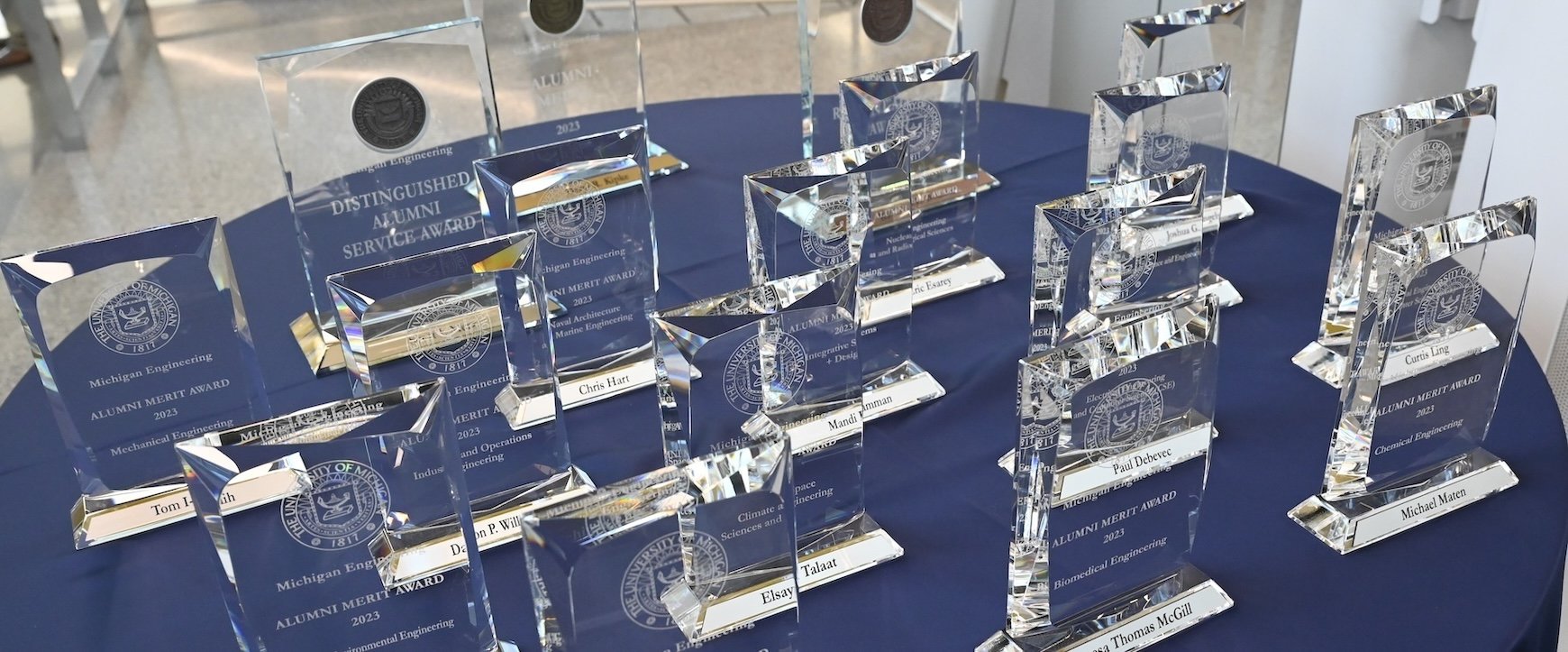
University of Michigan Engineering Alumni Awards
Michigan Engineering has established a recognition program to honor those alumni who personify the College’s tradition of excellence.
Nominations for the 2026 Alumni Awards are now closed.
View nomination criteria and information
2025 Honorees
The 2025 alumni award recipients are detailed below.
Alumni Medal Award
Presented to an alumnus/alumna who has attained extraordinary achievement in their field and brought distinction to Michigan Engineering. It is the highest accolade awarded by the College.
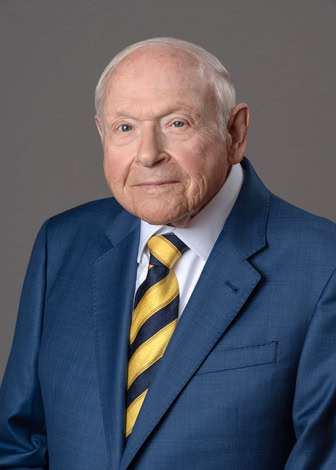
2025 Award Recipient: Jon Holt
BSE (IOE) 1968
Chairman and Principal Owner of Super Radiator Coils and Mead Metal Products.
Jon R. Holt (BSE IOE ’68) is a highly respected business leader and a lifelong proponent of engineering excellence. With a career spanning several decades, he has demonstrated an inspiring blend of technological understanding, business acumen, and integrity.
After earning his bachelor’s degree in industrial engineering from the University of Michigan in 1968, Holt completed his master’s degree from the Purdue University Krannert Graduate School of Industrial Administration. He applied his dual expertise in engineering and management across various prominent roles, holding management positions at Alcoa Aluminum, Smith Systems Manufacturing, Litton Microwave Cooking, and Wagner Spray Tech, Inc. He served as executive vice president and general manager of Devac, Inc., a producer of high-performance aluminum windows, and vice president of manufacturing for the Lighting Systems Division of Sterner Lighting Systems, Inc.
As chairman and principal owner of Super Radiator Coils and Mead Metal Products, he has guided both companies to new heights through innovative practices and strategic leadership. His forward-thinking approach led to the Super Radiator Coil’s growth and expansion—including the opening of new divisions in Richmond, Virginia, and Phoenix, Arizona—solidifying its position as a recognized industry leader.
A true champion of the Michigan spirit, Holt has built a family legacy of Wolverines. His wife and children are all alumni, as were his grandfather and father, and his granddaughter is a current student. This deep commitment extends to his leadership roles at Michigan, where he has served on advisory boards for the Michigan Engineering Fund, the Tauber Manufacturing Institute, and the Design for Impact Campaign.
Beyond his professional and volunteer roles, Holt’s philanthropic leadership has created a lasting impact. Together with his wife, Beverly, he established the Jon R. and Beverly S. Holt Award for Teaching Excellence and the Jon R. and Beverly S. Holt Professorship of Engineering, both of which have been instrumental in supporting and recognizing outstanding faculty. The Holts have also generously endowed scholarships for engineering students and for student-athletes at the university.
Holt’s impressive career, service, and dedication are a testament to the values of innovation and leadership at the core of Michigan Engineering.
View the list of former Alumni Medal Award recipients.
Distinguished Alumni Service Award
Presented to an alumnus/alumna who has generously volunteered service to further College projects and activities.
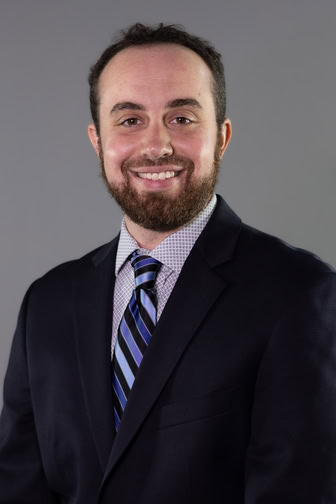
2025 Award Recipient: Evan Avery
BSE (CE) 2011
Senior Estimator at Hensel Phelps
In his fourteen-year career at Hensel Phelps Construction Co., Evan Avery (BSE CEE ’11) has risen to the role of senior estimator, overseeing projects with a combined value of over $2.8 billion.
A 2011 graduate of the Civil and Environmental Engineering (CEE) department, Avery has dedicated over a decade to Michigan Engineering. His most significant contribution is the development and coordination of the CEE Spring Break Externship Program. Since its launch in 2019, this initiative has provided invaluable hands-on experience and mentorship, helping countless students explore career paths and build professional networks. Thanks to his relentless efforts, the program has grown significantly, attracting more industry partners and students each year.
Beyond the externship, Avery served as a director and department advisor on the CEE Alumni Board, where he provided feedback on programs and facilitated career seminars. He has also delivered guest lectures, organized workshops, and offered personal mentorship, truly embodying the spirit of service to Michigan Engineering. His dedication has had a lasting impact on the college and our students.
View the list of former Distinguished Alumni Service Award recipients.
Outstanding Recent Alumni Award
Presented to an alumnus/alumna who has contributed substantially to their field in their early career years. Recipients have either graduated from Michigan Engineering within the last ten years or are no more than 35 years old.
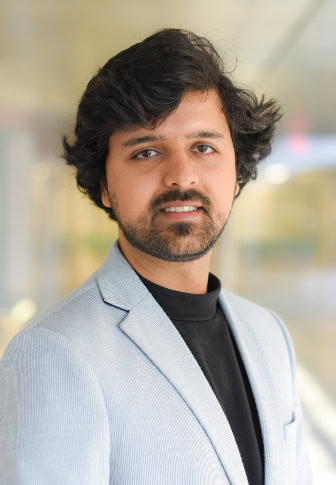
2025 Award Recipient: Kamal Rudra
MS (EE) 2023
R&D Integration Engineer at IBM
A rising leader in semiconductor research and development, Kamal Rudra (MS ECE ’23) has made extraordinary accomplishments since graduating from Michigan Engineering in 2023. As a research and development integration engineer at IBM Research, he has made significant contributions to his field, including submitting over 60 patent disclosures within a year.
His groundbreaking work on next-generation interconnects and logic technology has earned him international acclaim, including being named to the Semicon Europa 20 Under 30, Semicon West 20 Under 30, and Capital Region 40 Under 40 lists. He was also recognized as a Young Scientist at the prestigious Lindau Nobel Laureate Meeting for Physics, a testament to his exceptional contributions.
Beyond his technical achievements, Rudra is a dedicated mentor, guiding new employees through the patent process at IBM and has been recognized as IBM Master Inventor. As a student, he served as an ECE Student Ambassador and actively helped a community of approximately 200 incoming students from India transition to the university.
Rudra’s dedication to technological advancement and his commitment to supporting students, young professionals, and the academic community make him a deserving recipient of the Outstanding Recent Alumni Award.
View previous Outstanding Recent Alumni Award recipients.
2025 Department Merit Award Recipients
The Department Merit Awards were established to honor alumni who personify the College’s tradition of excellence and who have achieved significant accomplishments in their professional lives. The awards are given each year to graduates from each
academic department.
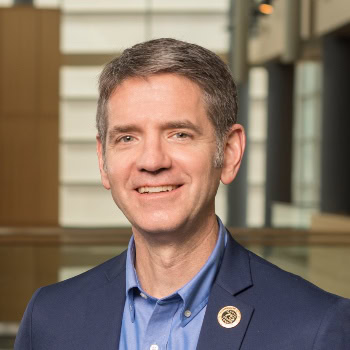
William Crossley
Aerospace Engineering
Uhrig & Vournas Head of Aeronautics and Astronautics, Purdue University
Previous Aero recipients
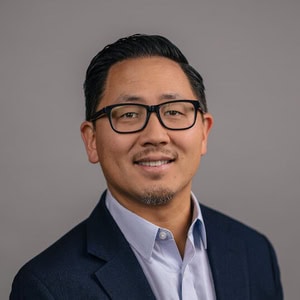
Hubert Lim
Biomedical Engr.
Professor of Biomedical Engineering/Otolaryngology; Director of Earl E Bakken Medical Devices Center, University of Minnesota
Previous BME recipients
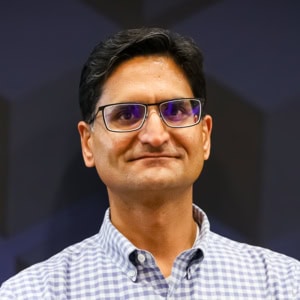

Lynn Katz
Civil & Environmental Engineering
Professor,
University of Texas at Austin
Previous CEE recipients

Richard French
Climate & Space Sciences Engineering
Vice President, Business Development & Strategy, Space Systems Rocket Lab
Previous CLaSP recipients

Andrew Barto
Computer Science & Engineering
Professor Emeritus, Department of Computer Science, University of Massachusetts, Amherst University of Massachusetts Amherst
Previous CSE recipients

Aaron Leanhardt
Electrical and Computer Engineering
Field Coordinator, Miami Marlins
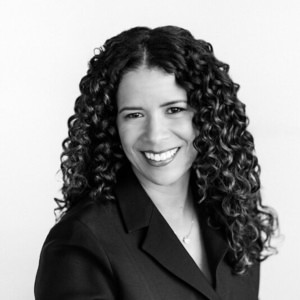
Merrie Williamson
Industrial and Operations Engineering
Chief Customer & Revenue Officer, Ex Microsoft, Intel, Equinix
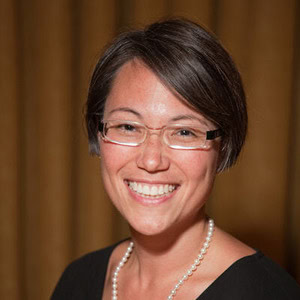
Michelle Sugiyama Caird
Materials Science and Engineering
Professor and Chair of Orthopaedic Surgery University of Michigan, University of Michigan Medical School
Previous MSE recipients
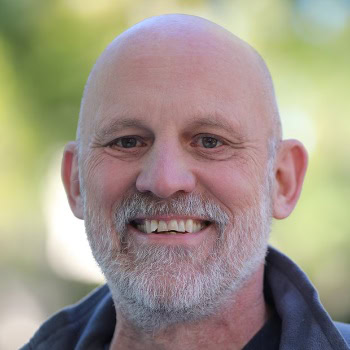
Tim Colonius
Mechanical Engineering
Frank and Ora Lee Marble Professor of Mechanical Engineering and Medical Engineering, California Institute of Technology

Christopher Higgins
Naval Architecture and Marine Engineering
Senior Ship Design Manager, Department of the Navy
Previous NAME recipients

Shannon Bragg-Sitton
Nuclear Engineering and Radiological Sciences
Associate Laboratory Director, Idaho National Laboratory
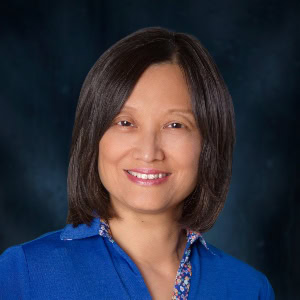
Jing Xiao
Robotics
Deans’ Excellence Professor and Head, William B. Smith Distinguished Fellow in Robotics Engineering, Department of Robotics Engineering Worcester Polytechnic Institute