
Computational Science and Engineering
Revolutionizing research with HPC, advanced models and digital twins
University of Michigan Engineering is advancing discovery at the forefront of computational research—leveraging high-performance computers (HPC), advanced models, and digital twin technologies to drive innovation across disciplines. These efforts are propelled by several large-scale, federally supported research centers and interdisciplinary initiatives that address both foundational science and real-world applications.
The Automotive Research Center—a U.S. Army Center of Excellence and one of only two university-led Army centers nationwide—leads transformative research in off-road autonomy and digital engineering. The ARC develops hybrid virtual-physical environments for modeling, simulation, and testing to support future mobility systems in defense, disaster response, and human-autonomy teaming. The Center for Complex Particle Systems, funded by National Science Foundation, applies multi-scale, data-driven computational modeling to enable next-generation design and assembly of functional nanomaterials. The Space Weather Modeling Framework, a long-standing NASA-funded effort, delivers state-of-the-art predictive models to help safeguard satellites, astronauts and terrestrial infrastructure from space weather events.
160
students in nation’s largest & first scientific computing Ph.D. program
These centers are strategically supported by the Michigan Institute for Computational Discovery and Engineering, which serves as a catalyst for collaboration—connecting researchers, providing pilot funding, and fostering a robust computational science community at U-M. Together, these programs exemplify Michigan Engineering’s leadership in computational discovery and its commitment to addressing complex challenges through HPC, advanced models, and digital twin innovations.
In addition to recruiting and retaining researchers with foundational expertise, U-M provides in-house Advanced Research Computing infrastructure, enabling teams to answer questions without waiting for time on external supercomputers. For more extensive simulations, these resources enable robust preliminary results to support proposals for projects that run on some of the most powerful computers in the world, or if specialized computing infrastructure is needed for specific projects, U-M provides space and maintenance services. Computing resources are slated for a dramatic expansion with a new $1.25 billion collaboration with Los Alamos National Laboratory focusing on developing and harnessing AI.
150+
faculty across all engineering disciplines
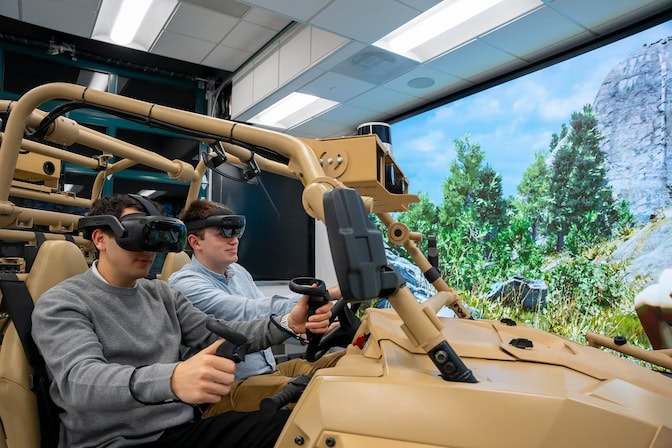
Automotive Research Center marks 30th anniversary
Digital engineering for autonomous vehicles will be the main focus of the center’s next five years.
Advancing computational tools for
today’s biggest challenges
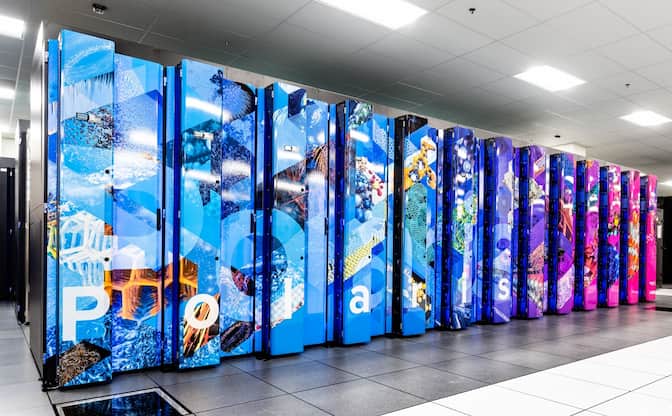
High performance computing
U-M engineers leverage some of the most powerful supercomputers in the U.S.
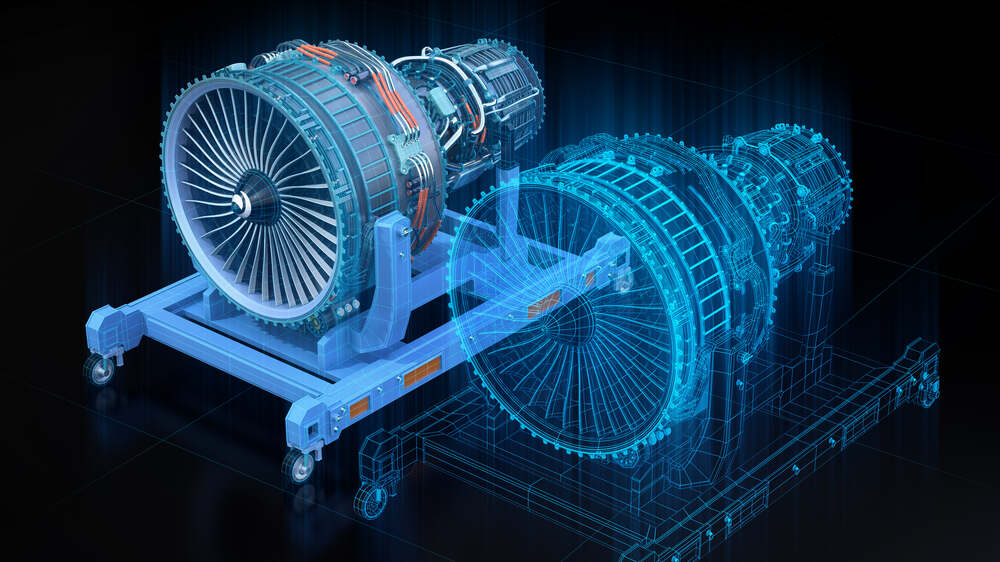
Digital engineering
Digital models kept up-to-date with data enhance energy systems, autonomous vehicles and more
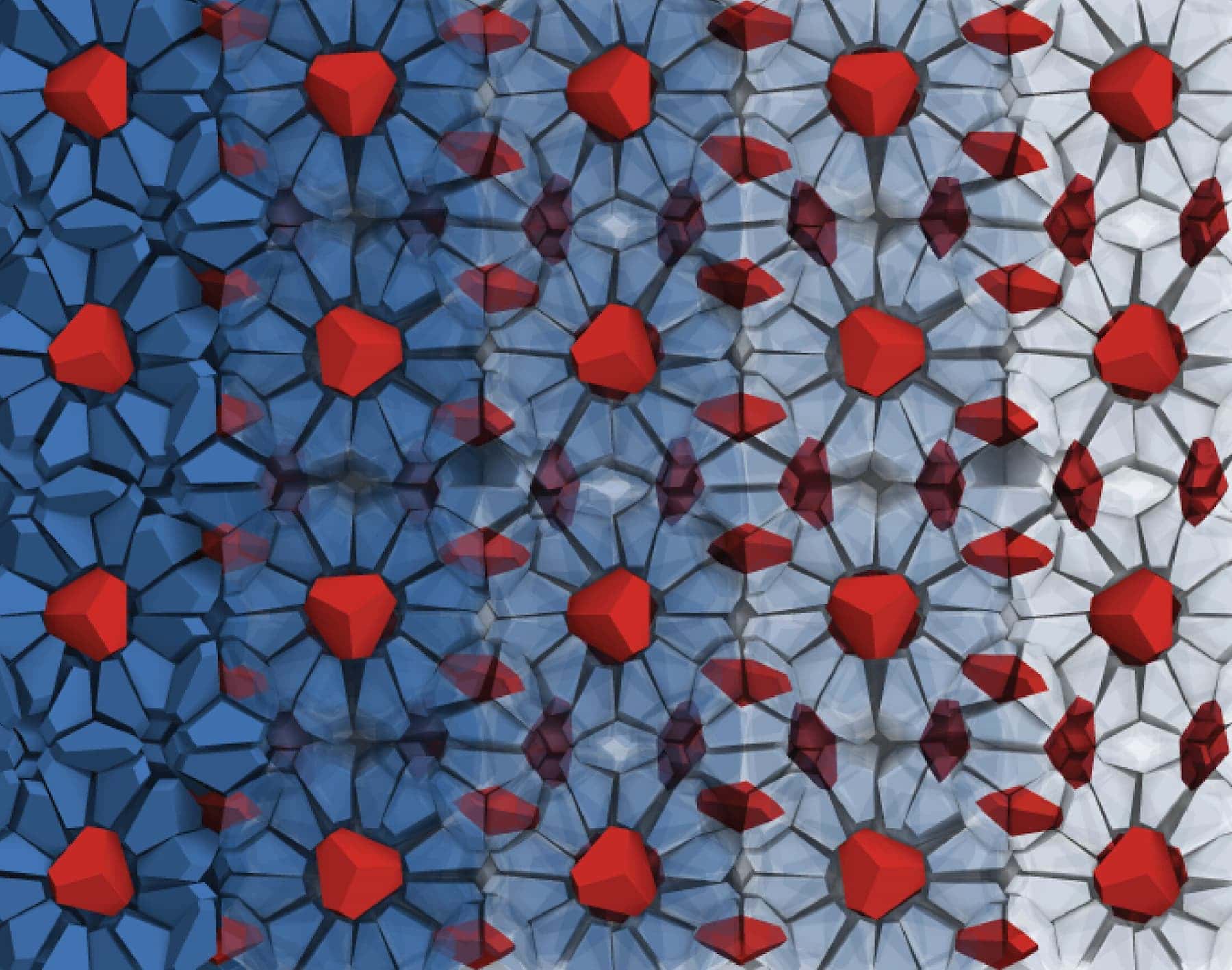
Modeling and simulation
Making sense of physics and materials, creating virtual environments to test autonomous systems, and more
Optimization
Discovering the combination of controllable variables that will provide the best outcomes
In the News
Quanta Magazine
August 18, 2025
Today’s Medical Developments
July 19, 2025
The Robot Report
December 18, 2024
Mcity says open-source digital twin enables cheaper autonomous vehicle testing
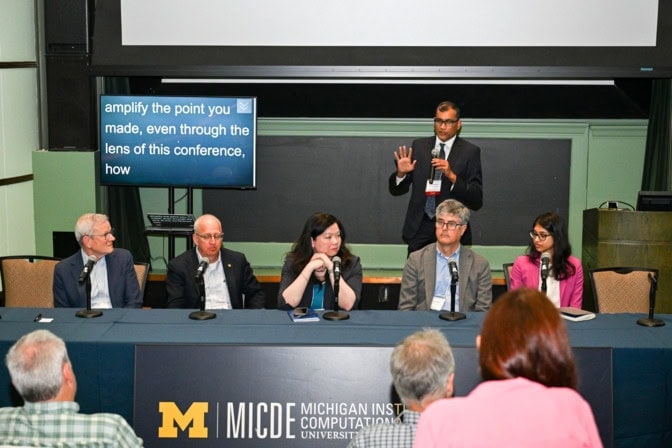
Conference: Scientific discovery in the age of AI
Experts from academia, industry and government discussed the growing utility of generative AI in science and what’s coming next.
More than
$75M
in center-scale funding since 2012
From simulations to supercomputers and beyond
Engineers at U-M have been running computer simulations since they were analog. They also used digital mainframes from the 1950s, brought “minicomputers” into their offices in the 1960s and 1970s, and in the 1980s, began to organize through the Computer Aided Engineering Network (CAEN).
Into the 1990s, many faculty members were still running algorithms on personal computers, some because that was enough computing power and others to prove out algorithms and win time on the supercomputers becoming available at national laboratories. To make these efforts more efficient, the Center for Advanced Computing began running modest supercomputers in the College of Engineering, funded by the National Science Foundation. Eventually, that center evolved into Advanced Research Computing (ARC), which is now part of U-M Information and Technology Services. Its flagship supercomputer, the Great Lakes Cluster, currently runs 16,000 cores and performs everything from lean models that capture the essential dynamics of a process to highly detailed simulations ultimately targeting exascale computing resources.
Recognizing modeling and simulation as a complement to theory and experiment and specifically training scientists and engineers in these skills, U-M launched the first PhD program in scientific computing in 1988. Alumni work across a range of sectors, in academia, industry and national laboratories.
Facilities, institutes, and programs
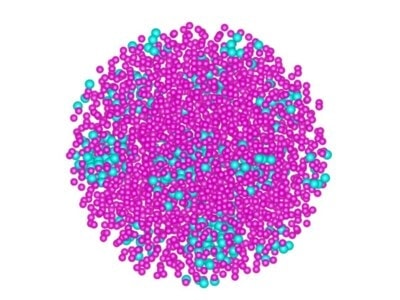
Michigan Institute for Computational Discovery and Engineering (MICDE)
MICDE supports and connects researchers in modeling, simulation and optimization at U-M.
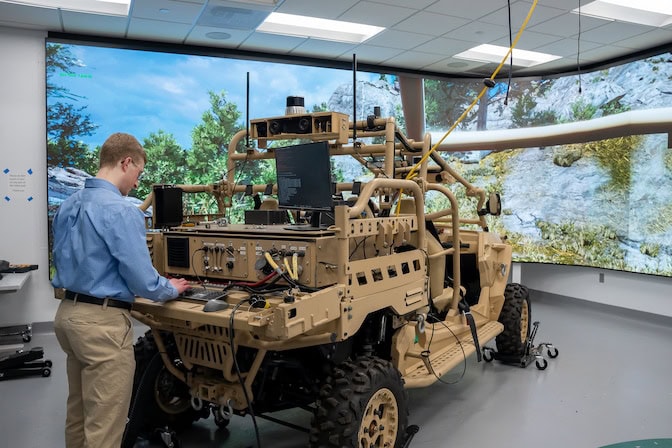
Automotive Research Center (ARC)
As a premier U.S. Army research center, the ARC leads cutting-edge innovation in modeling, simulation, and digital engineering—driving the future of off-road autonomy and intelligent systems.
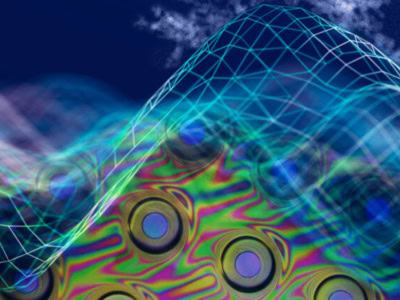
Center for Complex Particle Systems (COMPASS)
Computational engineering plays a central role in exploring the enormous design space of nanostructured materials in the Center for Complex Particle Systems.
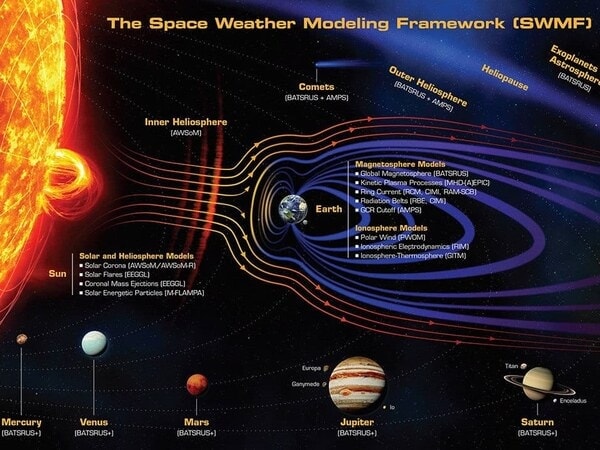
Space Weather Modeling Framework (SWMF)
A version of the Space Weather Modeling Framework runs at the NOAA Space Weather Prediction Center, predicting how solar storms will affect Earth.