
Research
We lay the foundation and build what’s next
Breakthroughs that don’t stay in the lab
At University of Michigan Engineering, we create new knowledge and push the boundaries of what’s possible. Through discovery and innovation, we create the foundational knowledge and practical technologies that power industries and change lives. And, in concert with industry, government, and regional stakeholders, we support Michigan’s economy, infrastructure, and talent pipeline.
$369M
Research
expenditures
reported in 2025
159
Patent applications
and new startups
reported in 2025
70
License
agreements
newly secured in 2025
Engineering research news
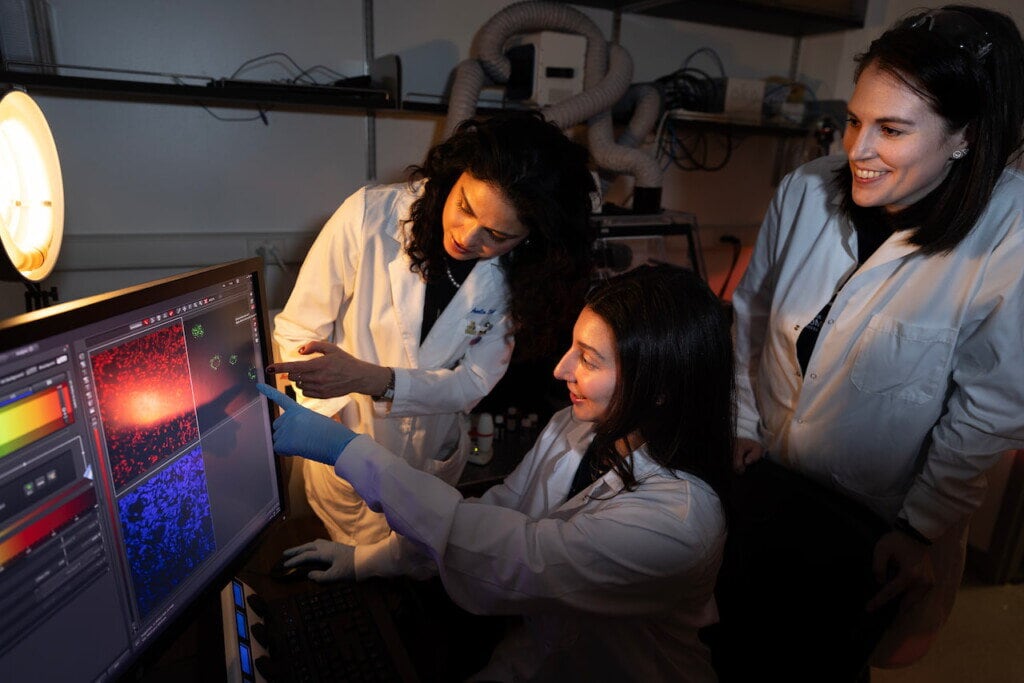
We pursue discovery not only to solve today’s problems, but to lay the foundation for what will be possible tomorrow in areas like medical imaging, cancer research, mobility and clean energy.
An environment where talented researchers can thrive
Our faculty and researchers tackle high-priority challenges and add to the sum of human knowledge, advancing in their fields while mentoring the next generation of engineers.

Student research
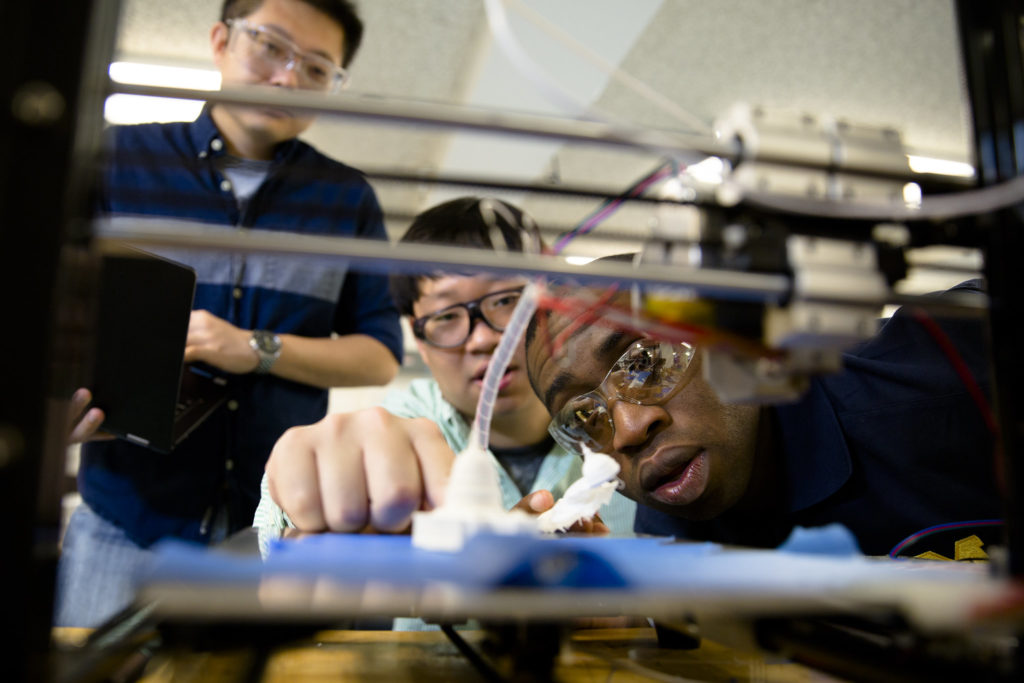
Because hands-on discovery is embedded in the educational experience, our students don’t just study existing technologies – they’re immersed in the interdisciplinary process of creating what comes next.

Initiatives
Our impact doesn’t stop at campus borders – it ripples outward through our graduates, discoveries and partnerships to strengthen communities, power economies and improve the world. We help keep the state and nation at the forefront of innovation, delivering real-world applications ranging from mobility hubs to non-invasive surgery.

Research centers
Teams of Michigan Engineers and collaborators are improving smart infrastructure, autonomous transportation, weather prediction, nuclear nonproliferation and more through our research centers.

Research strengths
We generate both the foundational and practical, with a well-developed tech transfer pipeline. The short list of our greatest strengths includes fields like autonomous systems, energy, mobility, semiconductors, and healthcare.

Unparalleled facilities & labs
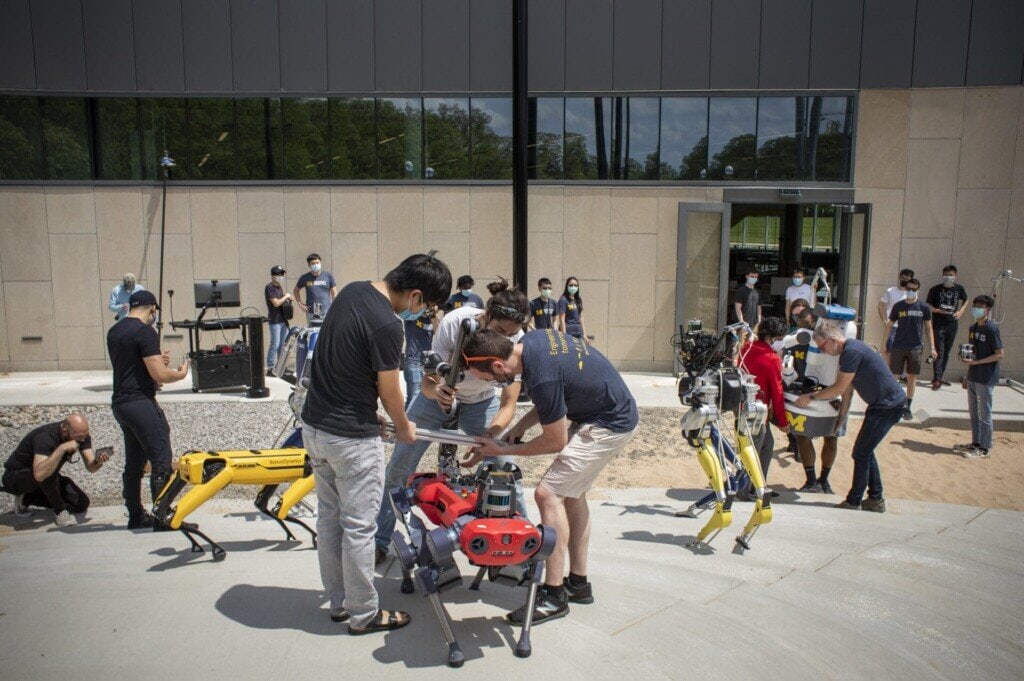
Our campus is home to the world’s most powerful laser, ZEUS, a 32-acre proving ground for driverless technology, a two story earthquake lab, a robot playground and a 18,000 sq. ft. cleanroom nanofabrication facility. That’s just the start of why our Centers and Institutes are a hub of academic and corporate innovation.