Alumni Awards
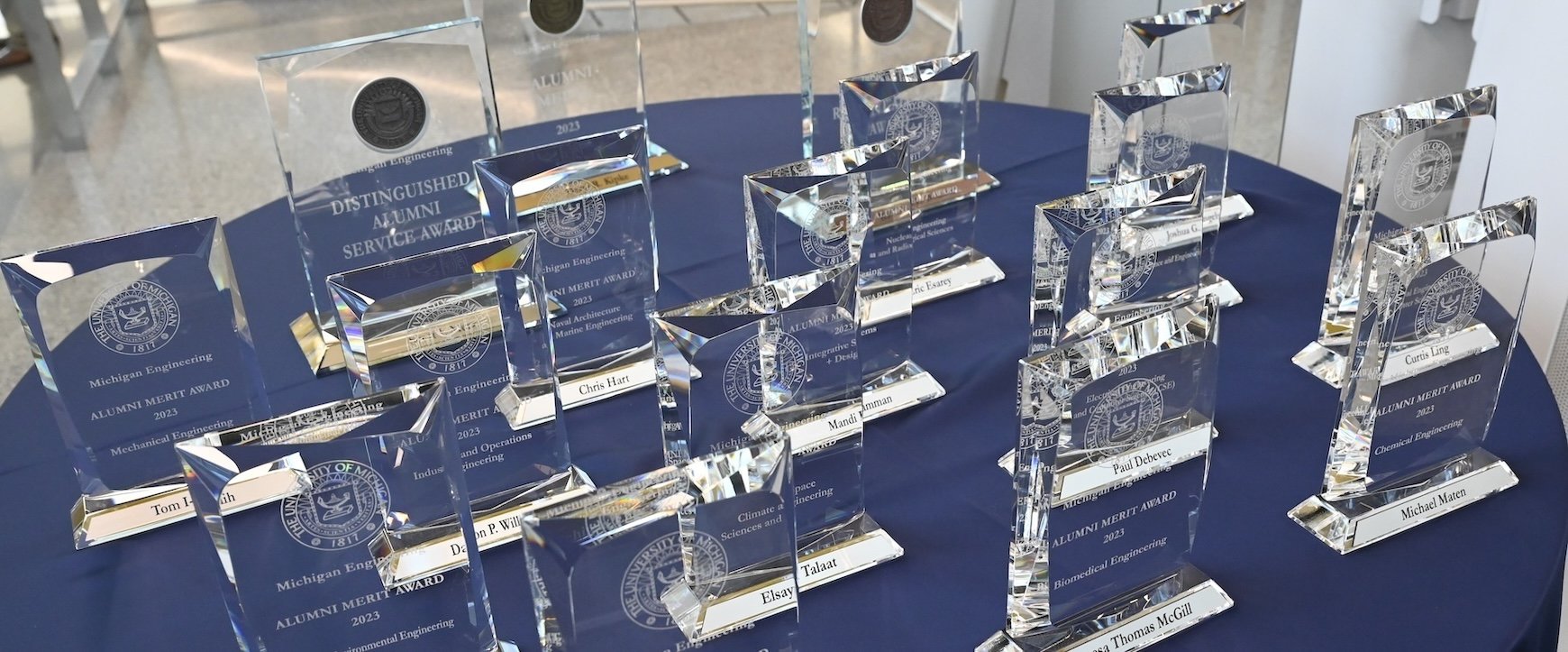
University of Michigan Engineering Alumni Awards
Michigan Engineering has established a recognition program to honor those alumni who personify the College’s tradition of excellence.
Nominations for the 2026 Alumni Awards are now closed.
View nomination criteria and information
2026 Honorees
The 2026 alumni award recipients are detailed below.
Alumni Medal Award
Presented to an alumnus/alumna who has attained extraordinary achievement in their field and brought distinction to Michigan Engineering. It is the highest accolade awarded by the College.
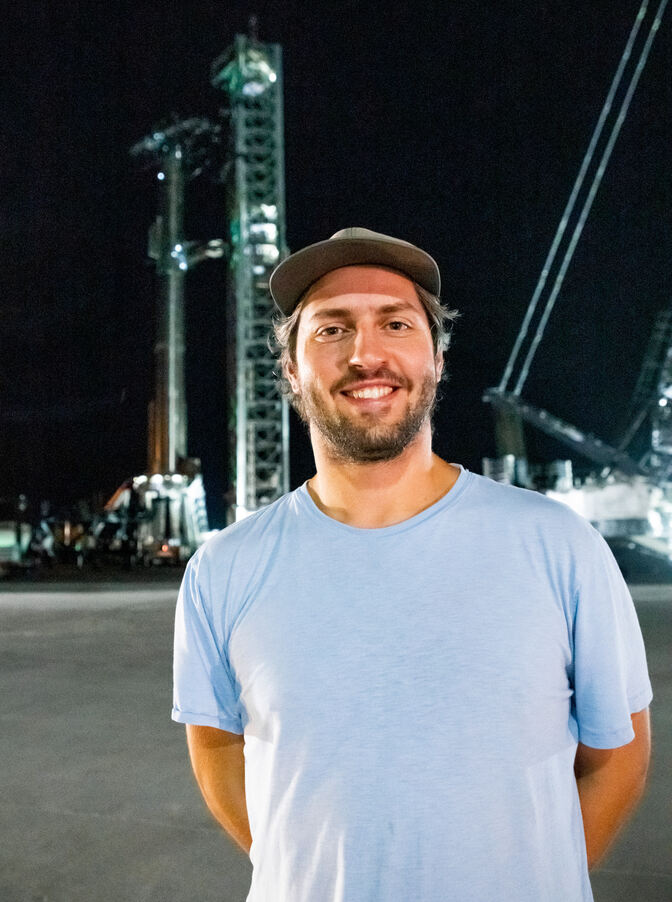
2026 Award Recipient: Kiko Dontchev
BSE Aero ’08, MEng Space ’10
Vice President of Launch at SpaceX
Kiril “Kiko” Dontchev (BSE Aero ’08, MEng Space ’10) is Vice President of Launch at SpaceX and a transformative leader in modern aerospace engineering. Through his bold operational execution and technical rigor, he has helped transform access to orbit.
After completing both his bachelor’s and master’s degrees at Michigan Engineering, Dontchev joined SpaceX in 2010 as a battery development, test, and power systems engineer. He helped develop core elements of SpaceX’s Dragon spacecraft and Falcon 9 rocket, as well as Dragon’s propulsive landing capability. In 2015, Dontchev led the execution of a successful Pad Abort Test, a key demonstration to ensure astronaut safety during human spaceflight. After working with teams to develop the second generation of Dragon, Dontchev transitioned to managing all of Dragon’s ground operations, including launch, refurbishment, and human spaceflight, as the company prepared for SpaceX’s first human spaceflight in 2020 (NASA’s Demo-2 mission). Later that same year, Dontchev’s role grew to encompass all of SpaceX’s launch operations, with the goal of accelerating the Falcon and Dragon launch rate to meet the needs of their Starlink, government, and commercial customers.
Today, Dontchev oversees launch, recovery, vehicle integration, marine operations, and infrastructure across SpaceX’s facilities in California and Florida. Under his operational leadership, SpaceX achieved unprecedented scaling of launch cadence—growing from 13 launches in 2019 to 165 Falcon 9 missions in 2025—while maintaining extraordinary reliability, precision, and reusability. Beyond Falcon and Dragon, he plays a central role in Starship’s operational maturation, helping pave the way for sustained lunar and Mars exploration.
Known for his transparent leadership and steadfast commitment, Dontchev remains deeply connected to Michigan Engineering. He actively serves on the Michigan Aerospace Engineering Advisory Board and has championed the next generation of engineers by hiring dozens of new graduates into roles across SpaceX. Dontchev’s extraordinary achievements, operational vision, and global impact embody the true spirit of “Leaders and Best.”
View the list of former Alumni Medal Award recipients.
Distinguished Alumni Service Award
Presented to an alumnus/alumna who has generously volunteered service to further College projects and activities.
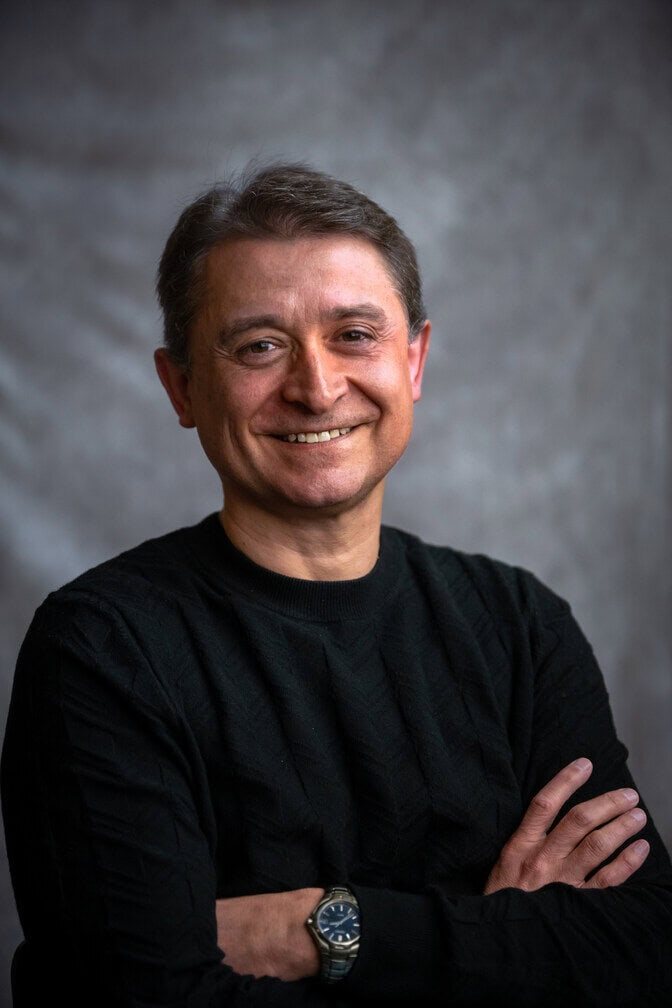
2026 Award Recipient: Jordi Ribas
PhD Electrical Engin-Systems ’96
President of Search & AI at Microsoft
A visionary tech executive, Jordi Ribas (PhD Electrical Engin-Systems ’96) serves as President of Search & AI at Microsoft, where he leads a global team at the frontier of artificial intelligence. Alongside his decades of industry leadership, Ribas has rendered exceptional service to Michigan Engineering, dedicating his time, expertise, and resources to advancing the Electrical and Computer Engineering (ECE) Division and empowering its students.
As an inaugural member of the ECE Alumni Council, Ribas provided five years of strategic guidance on many topics, such as resource planning, curriculum bias reduction, and student career pathways. In his role as the Microsoft liaison to the University, he built a pivotal bridge between industry and academia. Ribas facilitated the partnership to help advance the U-M Quantum Initiative, hosted student ECE Expedition visits at Microsoft, and has frequently returned to campus to mentor aspiring engineers and serve on panels.
Beyond his hands-on leadership, Ribas has also invested philanthropically at the College. He established the Ribas Family Fellowship Fund to support ECE graduate students and championed the ECE Faculty Challenge to mobilize support for student and departmental initiatives. His mentorship, strategic leadership, and deep commitment have had a lasting impact on Michigan Engineering.
View the list of former Distinguished Alumni Service Award recipients.
Outstanding Recent Alumni Award
Presented to an alumnus/alumna who has contributed substantially to their field in their early career years. Recipients have either graduated from Michigan Engineering within the last ten years or are no more than 35 years old.
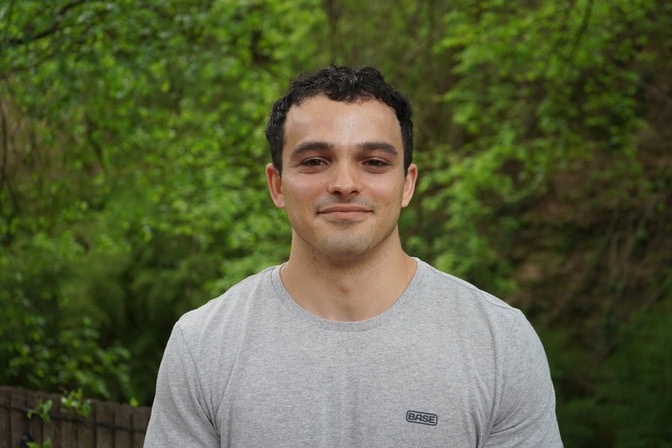
2026 Award Recipient: Justin Lopas
BSE ME ’16
COO & Co-Founder of Base Power
A rising leader in American energy infrastructure, Justin Lopas (BSE ME ’16) serves as Co-Founder and COO of Base Power Company. Across spaceflight, defense, and energy, he has consistently applied rigorous mechanical engineering and systems thinking to solve complex, large-scale challenges.
After graduating in 2016, Lopas joined SpaceX as a manufacturing engineer and quickly rose to lead manufacturing for Falcon Thrust Structures. He then became a foundational lead engineer at Starbase, where he led a team of 70+ responsible for early Starship manufacturing across multiple sites. He subsequently served as Head of Manufacturing at Anduril Industries, leading a cross-functional team of over 150 engineers and operators producing next-generation defense systems.
In 2023, Lopas co-founded Base Power Company to address the vulnerabilities of the modern electric grid through distributed battery storage. Applying precision manufacturing principles to energy infrastructure, he spearheaded the deployment of hundreds of megawatt-hours of residential battery systems to provide affordable whole-home backup power while strengthening the public grid. Under his operational leadership, Base Power rapidly expanded into one of the nation’s fastest-growing energy companies, reaching a $1 billion valuation while maintaining a strong commitment to domestic manufacturing.
Lopas’ bold vision, technical rigor, and dedication to improving lives make him a deserving recipient of the Outstanding Recent Alumni Award.
View previous Outstanding Recent Alumni Award recipients.
2026 Department Merit Award Recipients
The Department Merit Awards were established to honor alumni who personify the College’s tradition of excellence and who have achieved significant accomplishments in their professional lives. The awards are given each year to graduates from each
academic department.
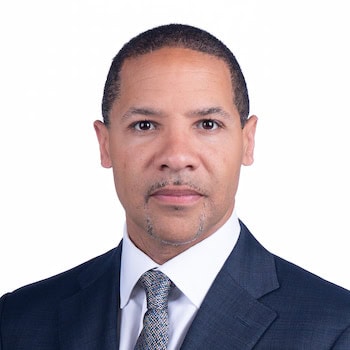
Mitchell Walker
Aerospace Engineering
Dean and Southern Company Chair at the Georgia Institute of Technology.
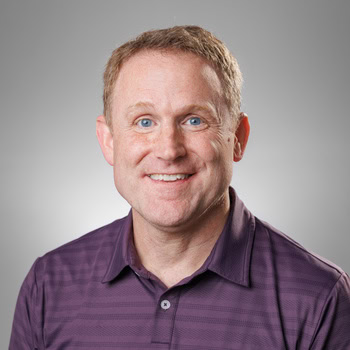
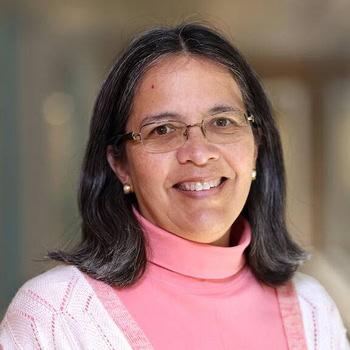
Susan Montgomery
Chemical Engineering
Collegiate Lecturer Emerita, Academic Coach at the U-M Engineering Center for Academic Success.

Tarolyn Buckles
Civil & Environmental Engineering
President and CEO of Onyx Enterprise, Inc.

Ghassan Alaka
Climate & Space Sciences Engineering
Hurricane Research Division (HRD) Director of the NOAA Atlantic Oceanographic and Meteorological Laboratory (AOML)
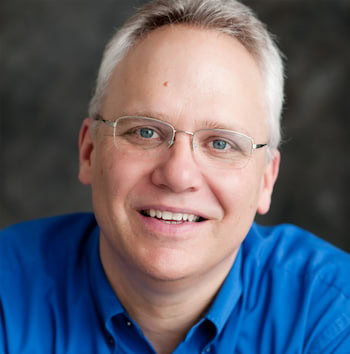
Rich Sheridan
Computer Science & Engineering
CEO, Chief Storyteller of Menlo Innovations.

Angelique Johnson
Electrical and Computer Engineering
CEO/Founder of Spiritual Capital Inc.

Marcial Lapp
Industrial and Operations Engineering
Vice President, Revenue Engineering at American Airlines.
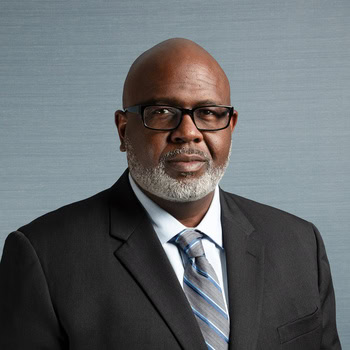
Dante Crockett
Materials Science and Engineering
President & CEO of DM Electronics;
Retired Chief Engineer of Ford Motor Company.

Laurie Transou
Mechanical Engineering
Mustang Chief Program Engineer at Ford Motor Company.

Robert Tagg
Naval Architecture and Marine Engineering
Senior Principal Naval Architect at Herbert Engineering Corp.
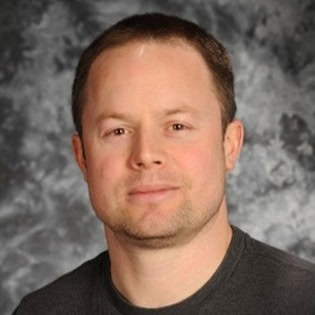
Aaron Weston
Nuclear Engineering and Radiological Sciences
Vice President of Strategic Programs Development at Oklo.